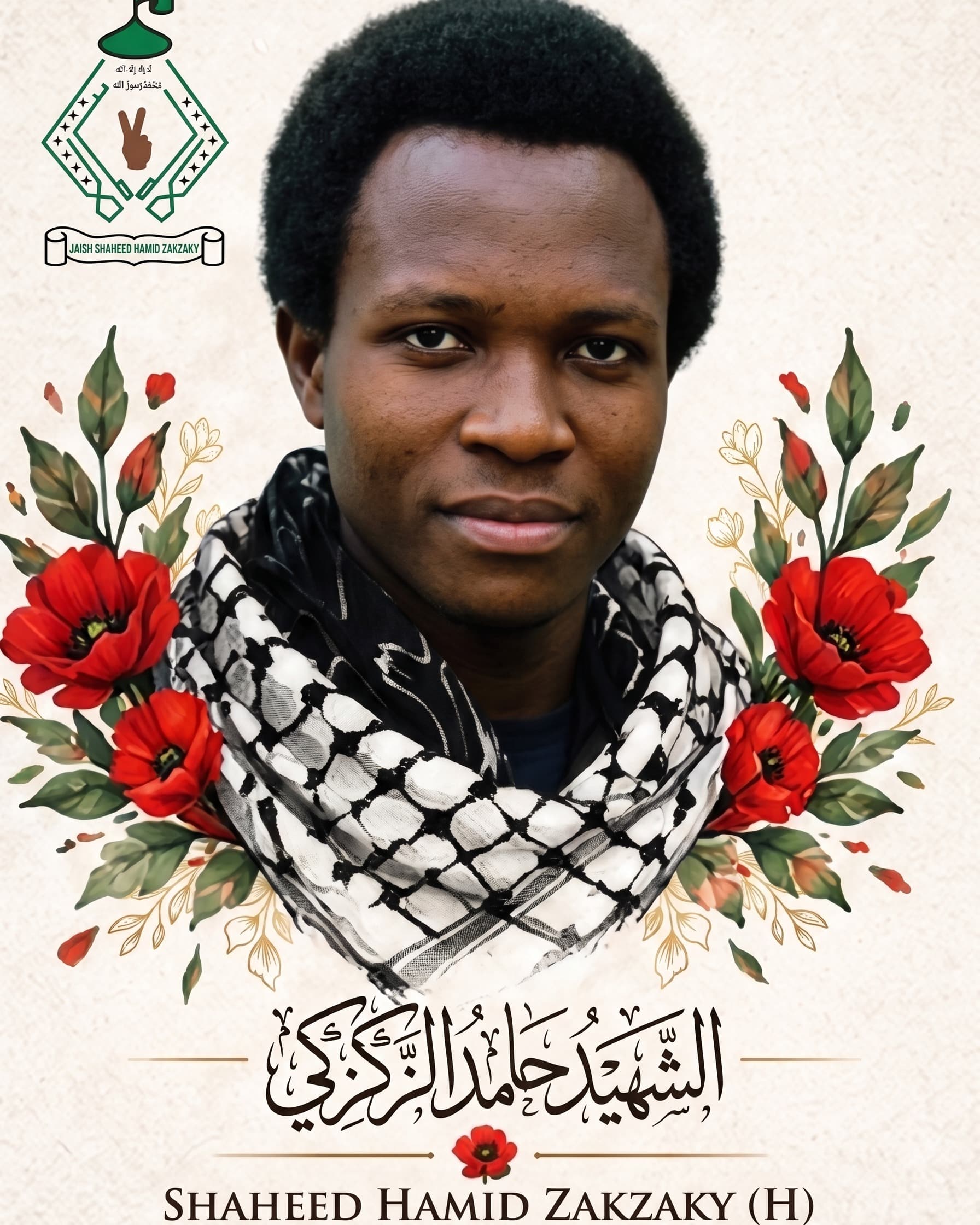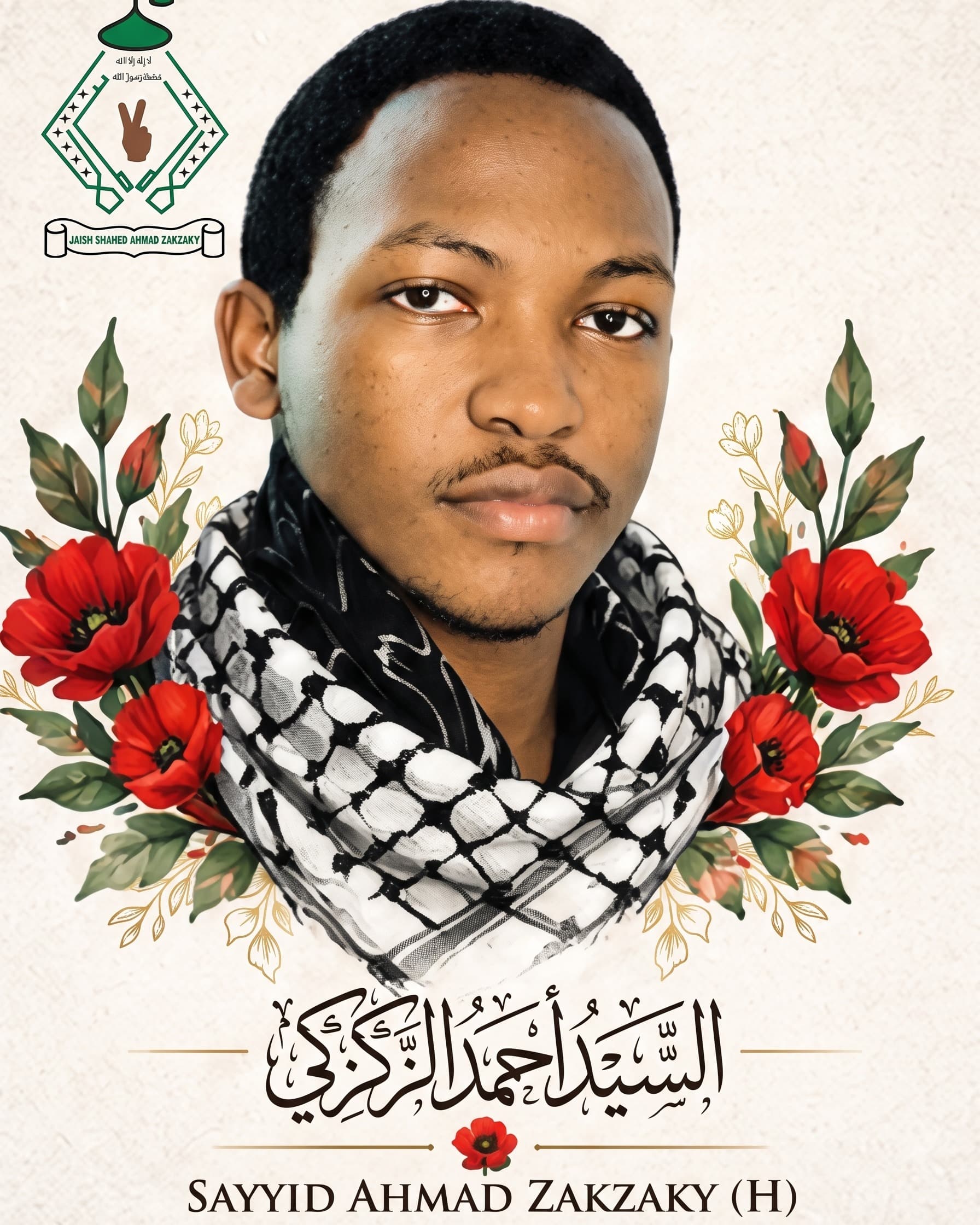
Sayyid Hammad Ibraheem Zakzaky, affectionately known among family and community members as Sajjad, was born on 10 December 1996 (1 Sha'aban 1417 AH) in the city of Kaduna, Nigeria. He was the seventh son of Sheikh Ibraheem Zakzaky and Malama Zeenatuddeen. His paternal ancestry traces through generations of renowned scholars originating from Shinqit and the Maghreb, descending from Imam Hasan al-Mujtaba, down to Malam Muhammad Tajuddin, who accompanied the Amir of Zazzau on the counsel of Sheikh Usman Dan Fodio. On his mother's side, he was descended from Malam Ibrahim and connected to the lineage of Imam Akayede of Ilorin in Kwara State.
Hammad's life began amidst severe trials. At the time of his birth, his father was held in unlawful detention under the military regime of General Sani Abacha, while his mother was forced into hiding. Shortly after his birth, Malama Zeenat and the infant Hammad were detained in harsh conditions. During their custody, heavy exposure to tear gas severely affected the newborn's lungs, leaving him with chronic asthma that persisted throughout his upbringing. Sheikh Zakzaky was released when Hammad was nearly two years old, after which his upbringing continued under the loving guidance of both parents.
Despite his tender age and chronic health challenges, Hammad showed an extraordinary thirst for learning. He insisted on following his older brothers to school before the standard enrollment age. His formal educational path included:
Early childhood education at home from 1996 to 1998;
Day Care and Kindergarten at Buks International School in Kwangila, Zaria, from 1998 to 2000;
Nursery education at Buks International School from 2001 to 2003;
Primary schooling at Zaria Children School from 2004 to 2009;
Junior secondary education at Taibow School and Zaria Children School from 2010 to 2012;
Senior secondary education at Zaria Children School from 2013 until his final year (SS II) in 2015.
Alongside modern schooling, he received foundational Islamic knowledge at home. His father held regular educational circles after Isha prayers, and Hammad immersed himself in Quranic studies and Islamic texts. He was given the supplication guide Diya'us Saliheen and took upon himself the regular recitation of daily prayers, including the recommended fifty-one rak'ats, earning him the honorific title Sajjad due to his continuous prostrations. From the age of seven, he devotedly observed voluntary fasts on Mondays and Thursdays in addition to the holy month of Ramadan, often maintaining his fast even when family members gently urged him to rest due to his asthma.
Following the martyrdom of three of his elder brothers in 2014, Hammad assumed greater community responsibilities, dedicating long hours to serving people through the Abul Fadl foundation. He was renowned for his warm manner, patience with young children, and selfless labor at Husainiyyah Baqiyyatullah and Darul Rahma.
Just one day after returning from a conference in Lebanon, Hammad was at his family's residence in the Gyallesu quarter of Zaria when military forces surrounded and assaulted the compound. Throughout the night of 12 December and into the following morning, Hammad stood steadfastly beside his brothers to protect his parents. On Monday, 13 December 2015, Sayyid Hammad Ibraheem Zakzaky was fatally shot and attained martyrdom in the family home alongside his brothers Ali and Humaid.
Peace be upon him the day he was born, the day he sacrificed his life in service to faith and justice, and the day he is raised among the righteous.